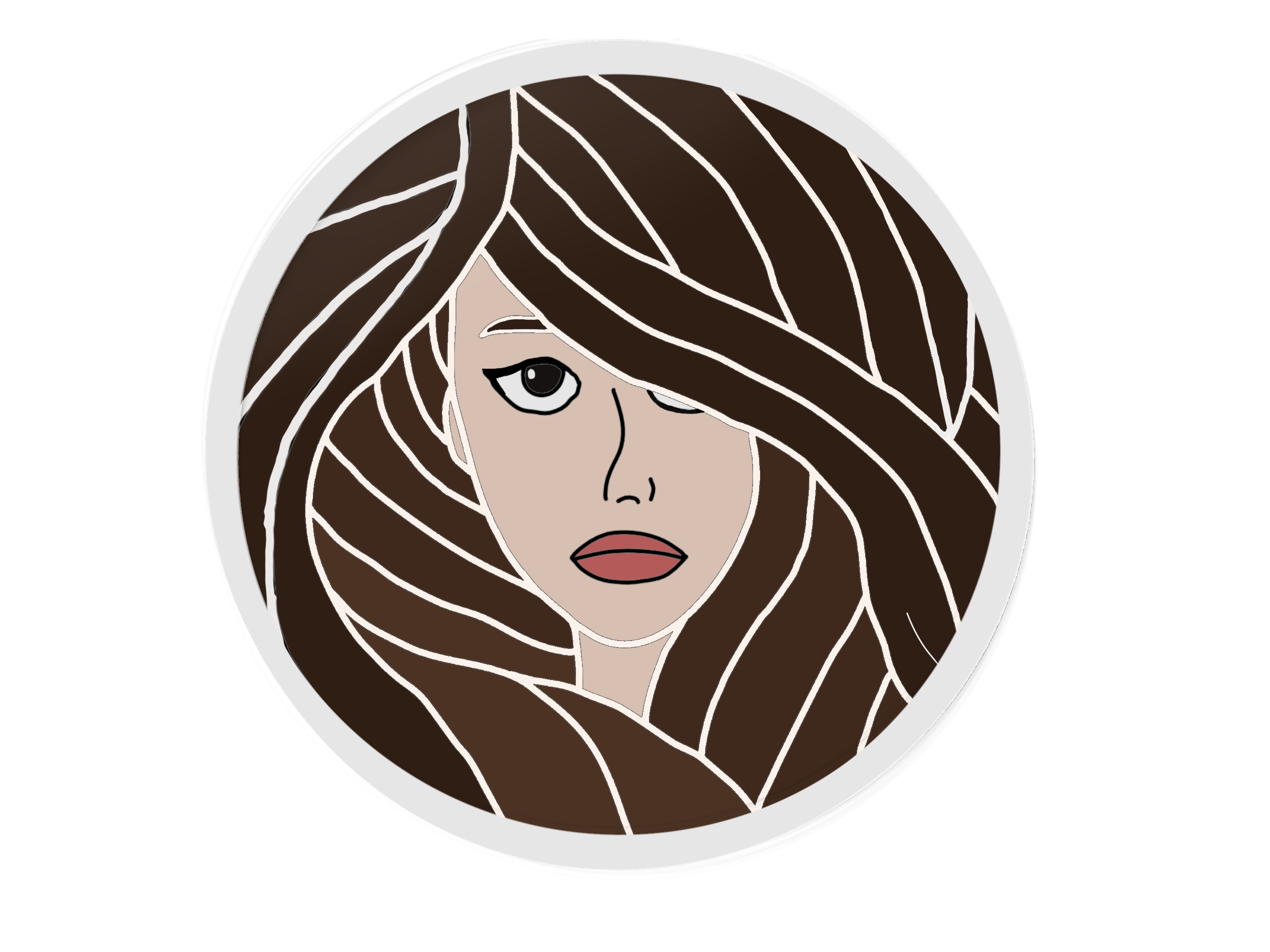

There Are Parts of You That Did Not Disappear
There are parts of you that did not disappear.
They went into the dark and waited for you to come back.
Not because they were bad. Not because they were broken.
Because at some point — usually early, usually quietly — they stopped fitting the version of you that your family, your teachers, your faith, your friends, or your culture asked you to be. A boy who learned that sadness was inconvenient. A girl who learned that her anger was unlovable. A child who learned that wanting things was selfish. A teenager who learned that being strange was unsafe.
So those parts didn’t argue. They didn’t leave a note. They slipped under the floorboards of your personality and pulled the rug back over themselves. And the person you became — competent, agreeable, fine — carried on without them.
That more polished person has a name in the old language of the psyche. Carl Jung called it the persona — the mask you wear so the world knows which role to hand you. The persona isn’t a lie, exactly. It’s a useful costume. But it can’t be the whole costume, or you start to feel like you’re wearing it instead of living behind it.
What got pushed under the floorboards, Jung called the shadow. And here is the part most people mishear: the shadow is not a warehouse for everything evil about you. It is a warehouse for everything disowned. The traits you couldn’t afford to be. The hungers you couldn’t admit. The tenderness you weren’t allowed to show. The ambition your caregivers couldn’t survive in you. The grief that no one had time for.
Some of those parts are heavy. Some are golden. All of them are yours.
And they didn’t die down there. They grew.
How They Talk to You From the Dark
You feel them. You feel them constantly. You just usually don’t recognize their voice.
They tap on the wall when someone’s success makes your stomach tighten and you call it jealousy, when it might actually be the return of an ambition you abandoned at nineteen. They surface as the sudden, irrational rage when your partner calmly tells you they need space — rage that feels wildly out of proportion, because it isn’t really about them, it’s about a small you who was once told that being left meant being nothing.
They show up in the patterns you keep meaning to break and somehow can’t. The people you keep choosing. The jobs that feel low-grade poisonous and strangely familiar. The compulsions — the scrolling, the drinking, the overworking — that look like bad habits but often operate as anesthesia. A way of keeping the dark quiet without ever opening the door.
Jung had a word for this too: projection. When you cannot see something in yourself, you see it everywhere else. The coworker who reminds you of your unlived courage. The politician who embodies your unclaimed rage. The friend whose softness you secretly resent because you buried your own. Nothing about these observations is final or even fair — they are signals. Pointers back to rooms you locked a long time ago.
And underneath it all, a fatigue that doesn’t match your actual life. A sense of going through motions. A feeling that you are nearby yourself but not quite meeting yourself. In the old language this is the moment when the persona has gotten too tight and the person underneath is asking, in a hundred small ways, to be let out.
What Shadow Work Actually Is
Shadow work is not a vibe. It is not a personality quiz. It is not a candle and a playlist and a journal prompt about your inner child.
It is the slow, unglamorous practice of turning around and facing what you have been walking away from. Of taking the parts you exiled — the fear, the hunger, the anger, the strange joy, the grief, the erotic aliveness, the ambition, the envy — and saying, you belong here too.
Jung called the long arc of this work individuation. It just means becoming who you actually are, instead of who you were told to be. Not perfection. Not a glow-up. A widening. A return.
This is why shadow work is needed for true evolution into your true self: you cannot become yourself from the outside in. You cannot meditate your way into a self you have disowned. You cannot affirm your way into wholeness if half your material is locked in a room with no windows. The truth you keep out doesn’t go away. It goes underground, and it runs you from there.
Every path that promises evolution while bypassing the shadow — the positivity that forbids grief, the discipline that forbids softness, the spirituality that forbids the body, the healing that insists on being light — eventually stalls. Not because those paths are wrong, but because they are building a house on half a foundation. The cracks always show up later, usually in the places you most wished they wouldn’t.
How to Begin, Without Making It Worse
The dark is not the enemy. The dark is just unlit. But you walk into it carefully, the way you’d walk into a room you haven’t been in for years — listening first, not swinging the lights on all at once.
A few starting points, gentle enough to be honest:
Name what you feel when you feel it. Not what you should feel. Not the cleaned-up version. I felt tight in my chest when she said that. I felt hot with rage when he didn’t reply. I felt a childlike terror when the money conversation came up. The body often knows what the mind is still translating.
Trace a trigger back upstream. When something in you flares unreasonably, ask: whose voice does this sound like? Where did I first learn that this feeling was dangerous? Most shadows were trained into submission in rooms you can no longer return to. You don’t have to go back. You just have to remember the lock.
Write a dialogue with the part. Take the side you’ve been rejecting — the angry one, the tired one, the hungry one, the queer one (in any sense of the word), the lost one — and give it a chair. Let it speak. Let it say the thing it’s been waiting years to say to you. Then, very slowly, answer.
Notice your judgments of other people. Especially the loud ones. The coworker who “has no discipline.” The friend who “doesn’t take anything seriously.” The stranger who “just wants attention.” Pointers. Always pointers. Back to gold you left in the ground, or coal you never bothered to learn could burn.
Notice your gold. The shadow isn’t only compost. Some of what’s down there is your unlived art, your deferred vocation, your refused tenderness, your postponed wildness. When you start to meet these parts with welcome instead of suspicion, the life you’re living begins to thicken, deepen, and — quietly, without permission — start to feel like yours.
One Honest Caution
Walking back into the dark is real work, and it is sometimes too much to do alone. If anything in you is shaking when you read this — old trauma, intrusive memories, dissociation, grief that has been sitting in your body for decades — please don’t treat shadow work as a substitute for a therapist, a trauma-informed practitioner, a community, or a healer you trust. Pace matters. Witness matters. You do not have to go all the way down this week. You only have to be willing to go.
The parts of you that went into the dark did not disappear.
They grew. They waited. They are asking, in the smallest voice in the room, to come home.
This is your true self, knocking from the inside.


Leave a Reply